Melbourne's Urban Heat Island Explained
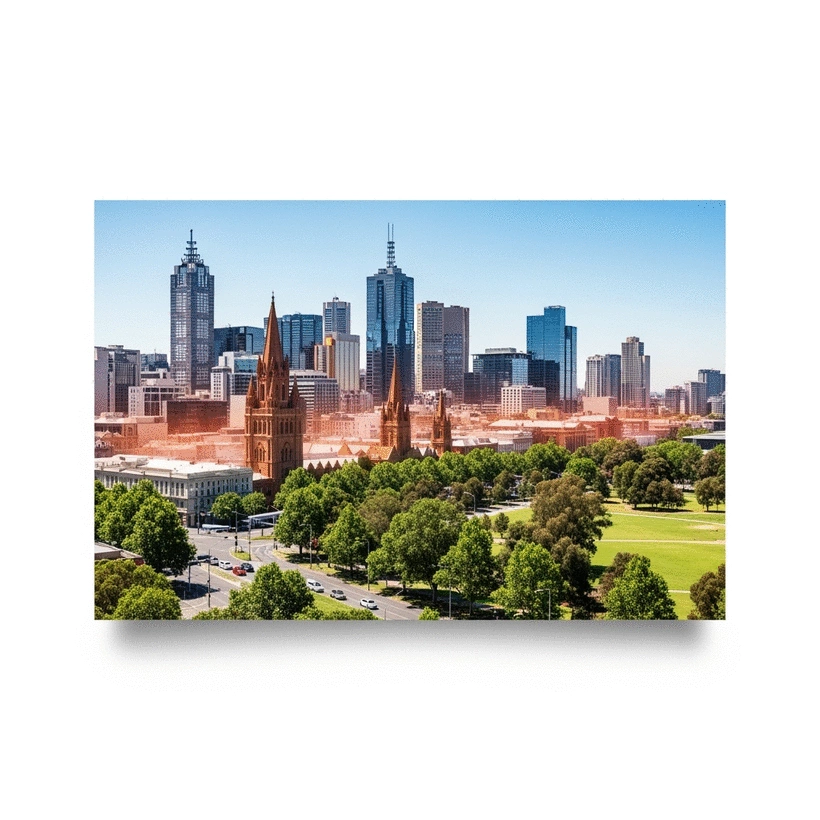
When it comes to tackling the challenges of urban living, understanding the Urban Heat Island Effect (UHI) is crucial for Melbourne residents. This phenomenon not only affects our comfort but also our environment. Let’s explore the essential insights that can empower our community to take action!
What You Will Learn
- The Urban Heat Island Effect results in higher temperatures in urban areas compared to rural surroundings, mainly due to human activities.
- Melbourne's infrastructure contributes to intensified heatwaves, increasing energy demands for cooling and impacting public health.
- Community engagement is vital in addressing UHI, with initiatives like tree-planting and advocating for green spaces making a significant difference.
- Urban agriculture can serve as a dual strategy for cooling the environment while enhancing food security in the city.
The Urban Heat Island Effect in Melbourne: Causes and Impacts
The Urban Heat Island (UHI) effect significantly impacts Melbourne's climate and quality of life. This visual summarizes the key causes and environmental consequences of UHI, highlighting areas where community action can make a difference.
Causes of Urban Heat Island
- Built surfaces (concrete, asphalt) absorb & retain heat.
- Lack of vegetation exacerbates heat retention.
- Urban expansion directly correlates with increased heat.
- Human activities & energy consumption.
Impacts on Melbourne's Climate
- Higher daytime & nighttime temperatures.
- Increased energy demand for cooling.
- More frequent & intense heatwaves.
- Strain on local ecosystems & biodiversity.
Environmental Consequences
- Worsened air quality (smog, pollutants).
- Increased greenhouse gas emissions (power).
- Altered habitats for native species.
- Increased stormwater runoff & flooding risk.
Community Mitigation Actions
- Participate in tree-planting initiatives.
- Promote urban agriculture & green roofs.
- Advocate for sustainable building policies.
- Use cooling roofs & light-colored materials.
Understanding the Urban Heat Island Effect in Melbourne
As residents of Melbourne, we're no strangers to the sweltering heat that can settle over our city, especially during those hot summer months. This phenomenon is known as the Urban Heat Island Effect (UHI), and it significantly impacts our daily lives and environment. But what exactly is it? Let's delve into the details!
The UHI effect occurs when urban areas experience higher temperatures than their rural surroundings, primarily due to human activities and land use changes. This temperature difference results from a variety of factors, including heat-absorbing materials like concrete and asphalt, which trap heat during the day and release it slowly at night.
What is the Urban Heat Island Effect?
The Urban Heat Island Effect refers to the heightened temperatures in built-up areas compared to their rural counterparts. This effect can intensify during heatwaves, leading to increased energy demand for cooling, impacting our local climate and overall quality of life. For a deeper understanding of this phenomenon in Melbourne, consider resources such as this insight into understanding the Urban Heat Island Effect in Merribek and Melbourne.
- Higher daytime temperatures in urban areas
- Increased energy consumption for air conditioning
- Negative impacts on air quality and public health
Understanding UHI is crucial for adapting our urban living conditions. As we explore this topic further, we'll see how it intertwines with Melbourne's unique climate patterns.
How Does UHI Affect Melbourne's Climate?
In Melbourne, the UHI effect can lead to several climate-related challenges. The city’s growing infrastructure and density contribute to this phenomenon, amplifying the temperature differences we experience. It's not just a matter of feeling hot; the implications extend to our energy consumption and public health.
- More frequent and intense heatwaves
- Increased energy costs during peak usage periods
- Strain on local ecosystems and biodiversity
By understanding these challenges, we can begin to strategize solutions that mitigate the impacts of UHI in our community.
Exploring the Relationship Between UHI and Climate Change
UHI does not exist in isolation; it interacts closely with broader climate change factors. As temperatures rise globally, UHI intensifies, creating a feedback loop that exacerbates the effects of climate change in urban settings like ours. For more information on the intricate links between human activity and urban heat, this investigation into the relationship between human activity and the urban heat island effect provides valuable insights.
- Increased vulnerability to extreme weather events
- Worsening air quality due to higher temperatures
- Challenges in managing stormwater runoff and flooding
As a community, we need to recognize how intertwined these issues are. By addressing UHI, we can make strides towards a more resilient urban environment in Melbourne.
Causes of the Urban Heat Island Phenomenon in Melbourne
As we investigate the causes of UHI in Melbourne, it’s vital to understand the factors contributing to rising temperatures in our urban landscape.
Pro Tip
Did you know that planting trees can significantly reduce the Urban Heat Island effect? Trees provide shade, cool the air through evapotranspiration, and improve air quality. Consider participating in local tree-planting events or simply adding more greenery to your own space to help combat the heat!
Summarizing the Urban Heat Island Effect and Its Local Impact
As we explore the intricacies of the Urban Heat Island (UHI) effect, it’s crucial to grasp its local implications for Melbourne. UHI highlights how urbanization can drastically alter our climate. By understanding this phenomenon, we can better appreciate the need for effective strategies tailored to our community. Here are some of the key takeaways:
- Built surfaces like concrete absorb and retain heat, leading to higher temperatures.
- The lack of vegetation exacerbates the heat retention, making urban areas significantly warmer than their rural counterparts.
- Urban expansion directly correlates with increased heat, affecting not only weather patterns but also public health.
These insights remind us that the UHI effect is not just a distant concern but a pressing reality for Melbourne residents. As a dedicated meteorologist at Urban Forecast Hub, I see firsthand how vital it is for our community to engage with these issues actively!
Importance of Community Engagement in UHI Mitigation Efforts
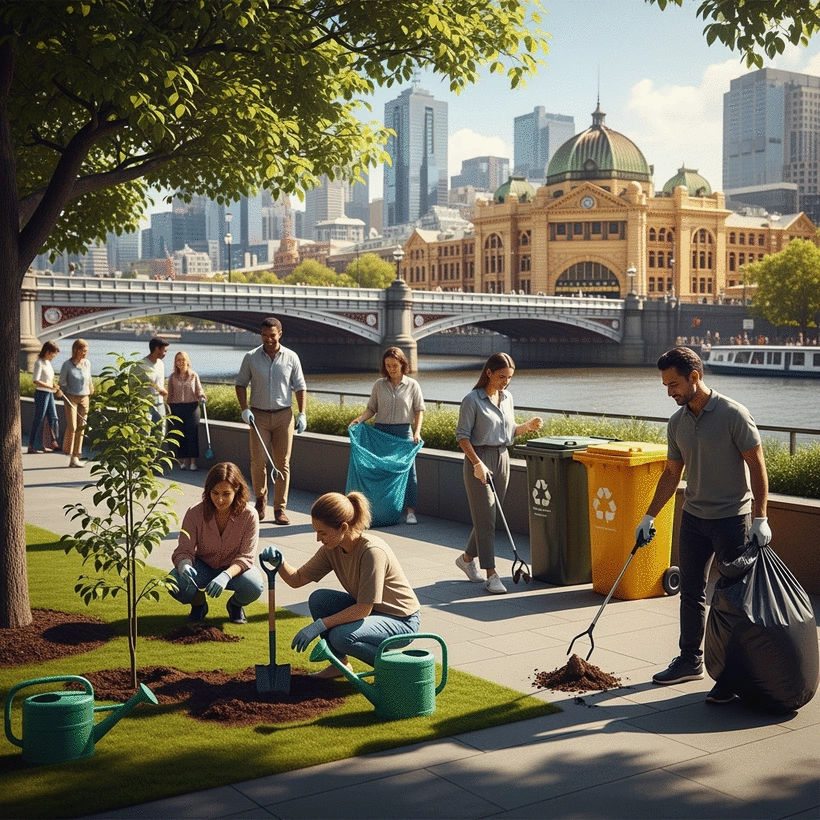
Community engagement plays a pivotal role in addressing the Urban Heat Island effect. It’s not just about understanding the science; it’s about taking action together! When we collaborate as a community, we can foster a more resilient environment. Here are some key ways to get involved:
- Participate in local tree-planting initiatives to increase urban canopy cover. The Melbourne Urban Forest Strategy offers great examples of how planned green spaces contribute to this.
- Join neighborhood groups focused on sustainable practices.
- Advocate for policies that promote green spaces and natural ventilation in new developments.
By actively participating in these initiatives, we can mitigate the impacts of UHI, making Melbourne a cooler, more pleasant place to live. Our collective efforts can truly reshape our urban landscape!
Understanding the Environmental Impact of Urban Heat Islands
The environmental impact of Urban Heat Islands in Melbourne extends beyond just discomfort during hot days. UHI contributes to increased energy demands, leading to higher greenhouse gas emissions from power plants. It can also disrupt local ecosystems and biodiversity, putting stress on native wildlife. Here are some environmental aspects affected by UHI:
- Higher temperatures can worsen air quality, leading to health complications for residents.
- Increased stormwater runoff due to less vegetation can cause flooding and water quality issues.
- Altered habitats push native species to adapt or relocate, threatening biodiversity.
Recognizing these impacts is crucial for fostering a sustainable community. By prioritizing actions that address UHI, we protect not only our health but the environment we cherish.
Taking Action Against the Urban Heat Island Effect
How Residents Can Contribute to Local Cooling Initiatives
Every Melbourne resident has a role to play in combating the Urban Heat Island effect! Simple actions can lead to significant changes in our local climate. Here are ways you can contribute:
- Create shade in your garden with trees and shrubs.
- Consider cooling roofs or light-colored materials for home renovations.
- Engage with local community projects aimed at enhancing urban green spaces.
Your efforts can create a ripple effect, inspiring others in the community to join the movement for a cooler Melbourne!
Joining Community Programs for Sustainable Urban Living
Participating in local community programs is a fantastic way to make a difference. These initiatives can help reduce UHI while promoting a sustainable lifestyle. Look out for opportunities that focus on:
- Urban gardening and green roofs.
- Public transportation alternatives to reduce traffic emissions.
- Workshops on sustainable living practices.
Being a part of such programs not only enhances our community's resilience but also fosters a sense of camaraderie among residents. Together, we can forge a path toward sustainable urban living!
Promoting Urban Agriculture as a Climate Adaptation Strategy
Urban agriculture presents a unique opportunity to address the Urban Heat Island effect while enhancing food security in Melbourne. By integrating green spaces into our cities, we can mitigate heat and improve air quality. Here are ways to promote urban agriculture:
- Support local farmers' markets to encourage local food systems.
- Start or join community gardens to grow fresh produce.
- Advocate for policies that support urban farming initiatives.
Engaging in urban agriculture not only cools our environment but also strengthens community bonds. It’s a win-win for Melbourne!
Frequently Asked Questions About the Urban Heat Island Effect
- What is the Urban Heat Island (UHI) effect?
- The UHI effect describes urban areas experiencing significantly higher temperatures than surrounding rural areas, primarily due to human activities and materials like concrete and asphalt that absorb and retain heat.
- How does the UHI effect impact Melbourne?
- In Melbourne, UHI leads to higher daytime and nighttime temperatures, more frequent and intense heatwaves, increased energy demand for cooling, and negative impacts on air quality, public health, and local ecosystems.
- What are the main causes of UHI in cities like Melbourne?
- Key causes include heat-absorbing built surfaces (concrete, asphalt), lack of vegetation, urban expansion, and heat generated by human activities and energy consumption.
- How does UHI relate to climate change?
- UHI exacerbates the effects of global climate change by intensifying heatwaves and increasing vulnerability to extreme weather events, creating a feedback loop that makes urban environments even hotter.
- What can residents do to help mitigate the UHI effect?
- Residents can contribute by planting trees and shrubs, using cooling roofs or light-colored materials for homes, engaging in local community greening projects, and supporting urban agriculture initiatives.
- Why is community engagement important in addressing UHI?
- Community engagement is crucial because collective action—such as participating in tree-planting initiatives, advocating for green spaces, and joining sustainable living programs—can significantly mitigate UHI impacts and create a more resilient urban environment.
Recap of Key Points
Here is a quick recap of the important points discussed in the article:
- Urban Heat Island Effect (UHI): Urban areas experience higher temperatures due to heat-absorbing materials and land use changes.
- Impact on Melbourne: UHI leads to increased energy demand, health risks, and environmental challenges.
- Community Action: Engaging in tree planting, advocating for green spaces, and participating in local sustainability initiatives can mitigate UHI effects.
- Environmental Concerns: Higher temperatures worsen air quality, increase stormwater runoff, and threaten local biodiversity.
- Urban Agriculture: Integrating urban farming can cool the environment and enhance food security.